About The Du Bois Herbarium
An eighteenth-century collection that connects histories of science, empire, environment, and global trade.
What is the Du Bois Herbarium?
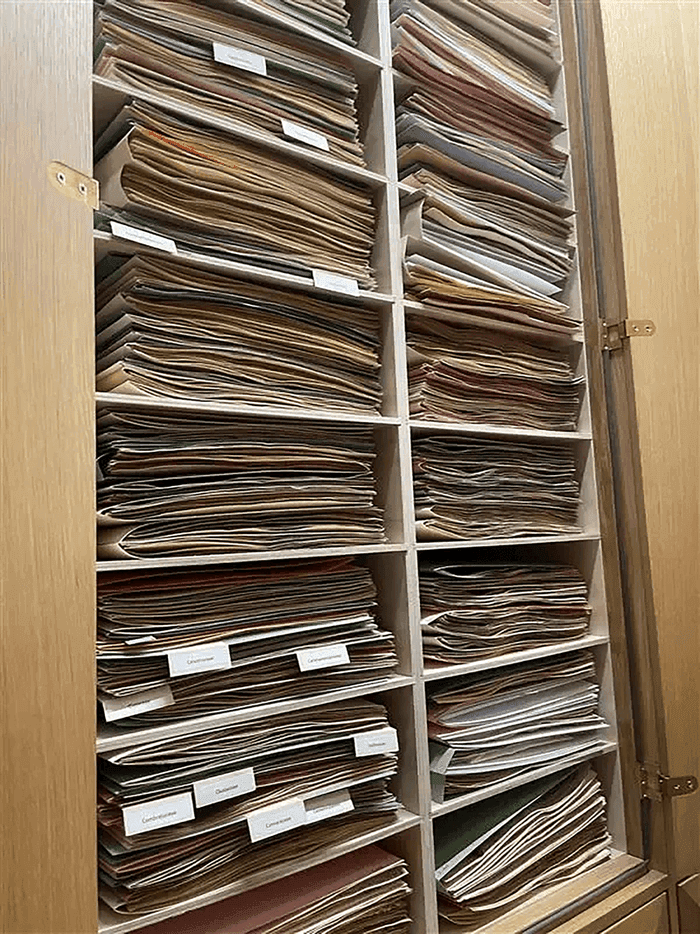
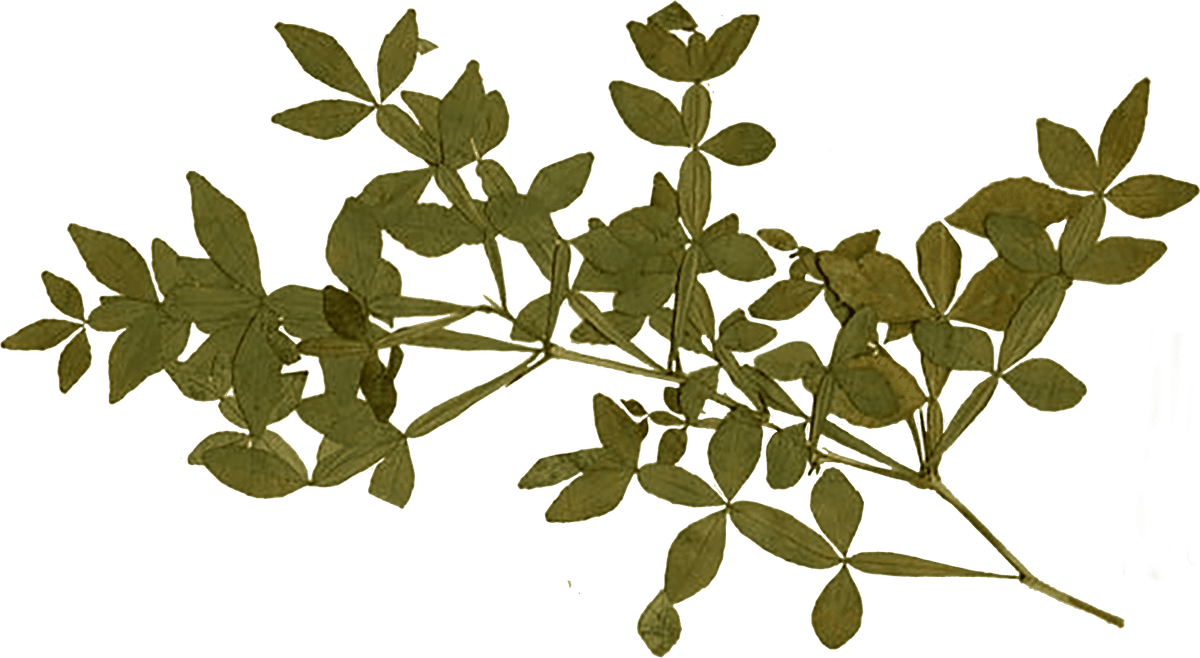
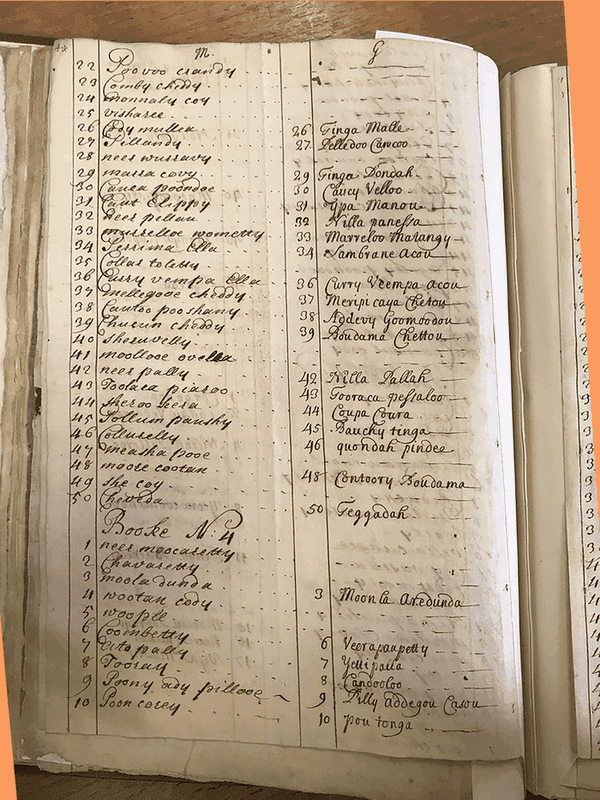
The Du Bois Herbarium is a collection of nearly 14,000 specimens of dried leaves, mosses, and algae collected between 1680 and 1740 from across the world. It was organized not by today's Linnaean system of classification, but by an early modern information system that incorporated local and vernacular names. Exploring the Du Bois Herbarium allows an understanding of the history and nature of classification, the relationship between colonialism and early modern botany, and the global scope of plant ecology.
Why the Du Bois Herbarium?
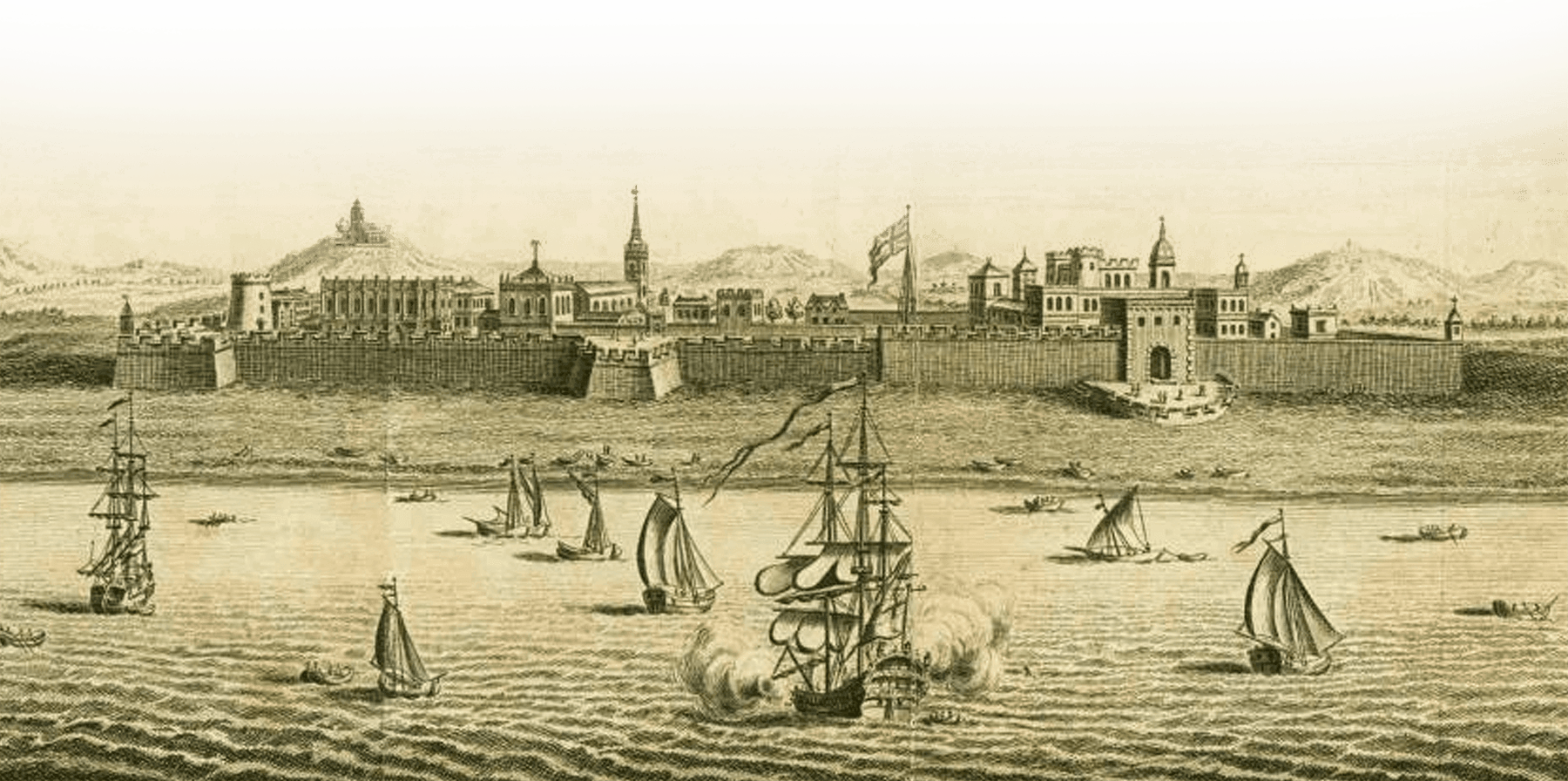
The Du Bois Herbarium once existed at the centre of global trade networks, scientific discovery, and colonial administration. Consisting of 14,000 plant specimens from across Europe, Asia, Africa, and North America, this collection of dried plant specimens preserves rare records of extinct plants, indigenous contributions to European science, records of experimental cultivation, and the impact of otherwise unnamed women and men who were essential to environmental discovery.
Charles du Bois lived in England between 1658 and 1740. As well as serving as treasurer of the English East India Company, Du Bois collected plants — a common interest of men at the time. Du Bois collected nearly 14,000 botanical specimens — in the form of dried plants — drawing on his imperial networks, brought from all over the world. Today, these plant specimens create the Du Bois Herbarium, held by the Oxford University Herbaria, located in the Department of Biology at the University of Oxford.
However, since its creation in the eighteenth century, the herbarium's ties with these histories and its value as a scientific resource have been divorced from the collection. This disconnect was worsened through 19th-century ‘modernizing’ reforms that dismantled the collection. While the Du Bois Herbarium kept its original 18th-century structure and form intact, the rest of Oxford's herbarium collections were arranged according to modern archival repositories. Digitization (high-resolution imaging and recording of metadata) of the Du Bois Herbarium has done little to improve understanding or awareness of the collection.
Why Bloom?
This project uses digital scholarship as a tool to enable collections-based historical research, rather than as a vehicle to host research outputs. It relies on manipulation of preexisting digital materials, rather than digitization. The digital reconstruction of the Du Bois Herbarium enables researchers to effect near-immediate manipulation of the collection according to different research parameters, allowing early modern plant specimens to be arranged according to modern taxonomic theory, as well as their original, pre-Linnean structure, date, geography, and collector.
The digital platform will provide visual evidence of how digital approaches augment the Du Bois Herbarium beyond what is possible in its physical form. Specimens will also be text-searchable by interdisciplinary categories such as vernacular plant names, collectors, date, and geography. Significantly, this means that the collection's rich data will now be accessible to researchers in both the sciences and the humanities, as well as non-specialists.
How to Read a Du Bois Herbarium Specimen
Bloom allows you to explore the Du Bois Herbarium, examine individual records and plants, place these plants in their geographic and historic contexts, and organize the collection according to different systems of scientific classification.
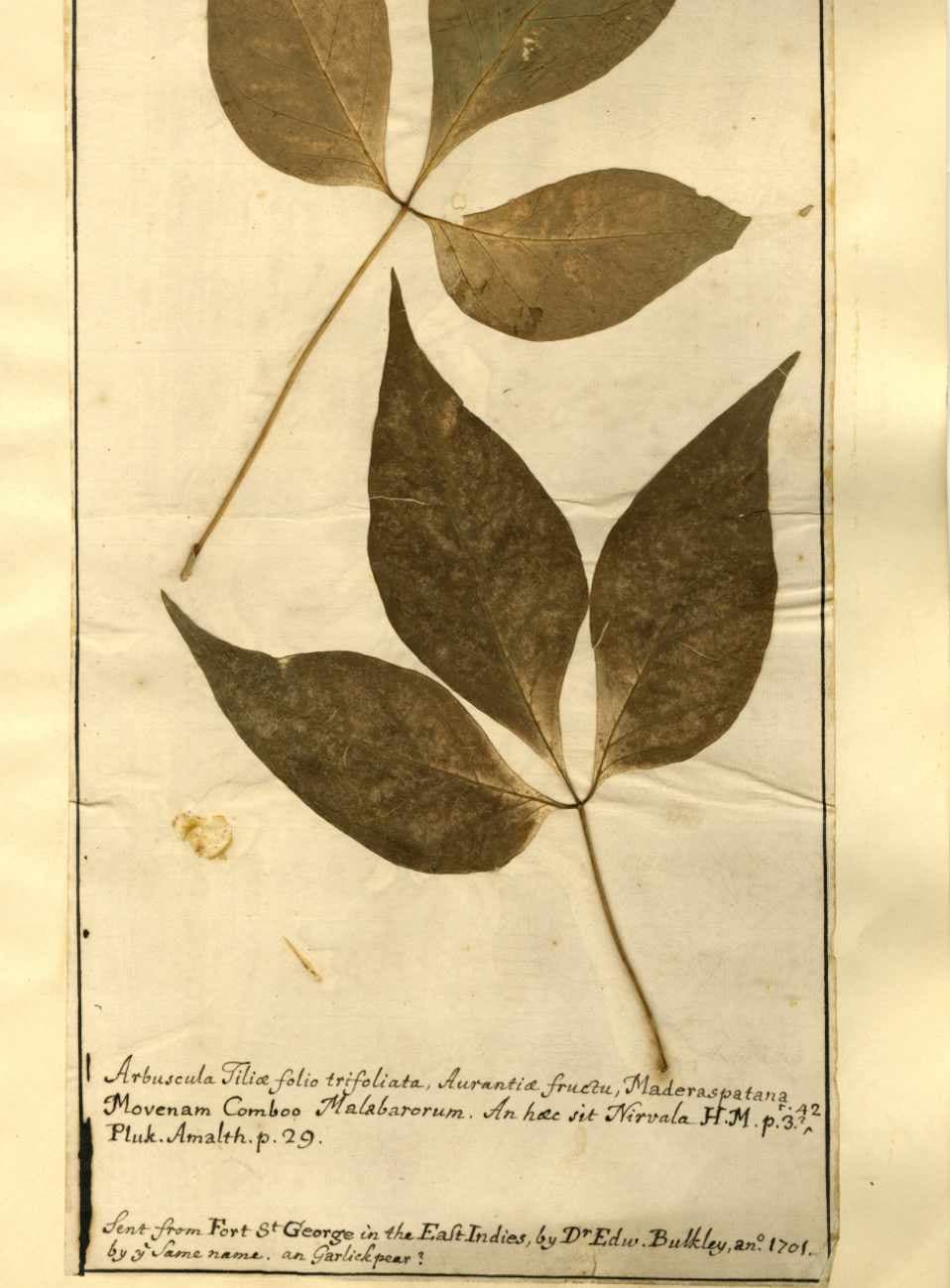
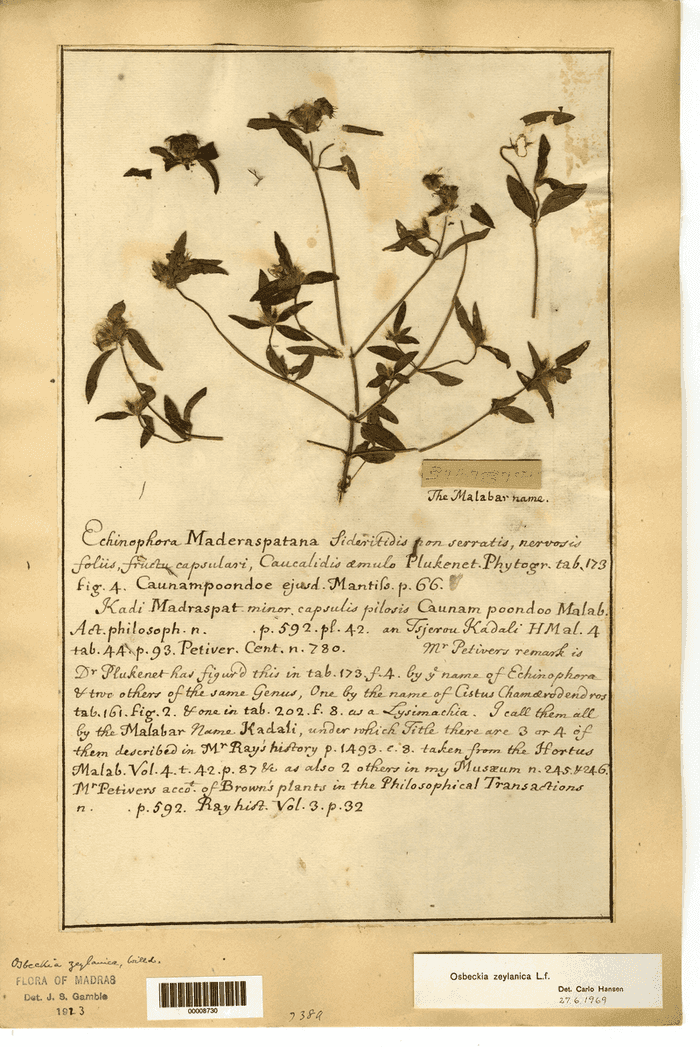
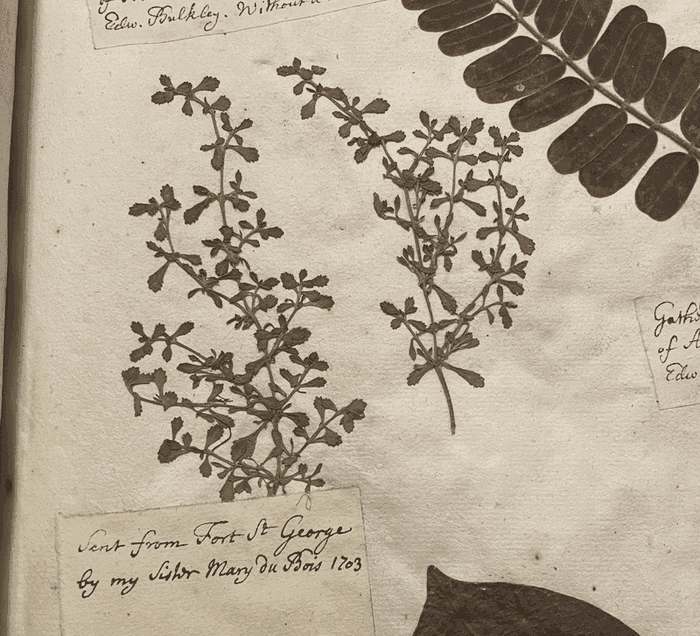
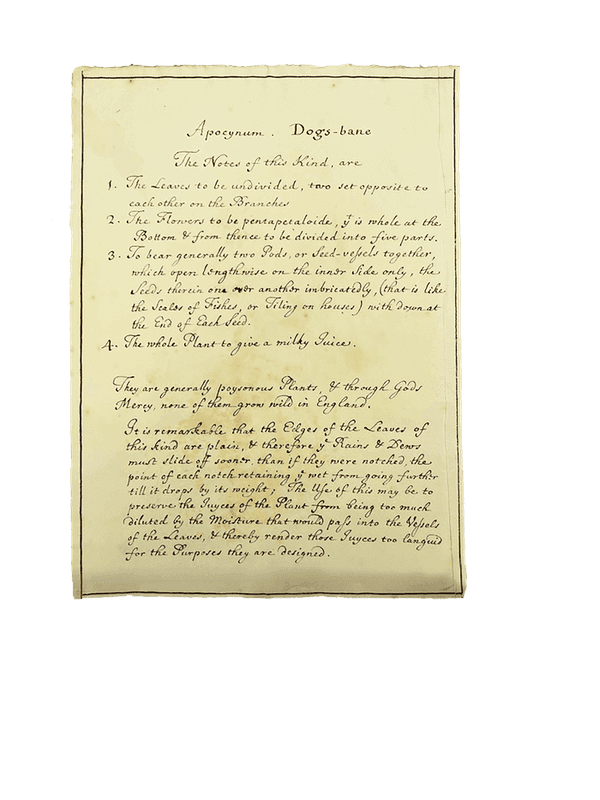
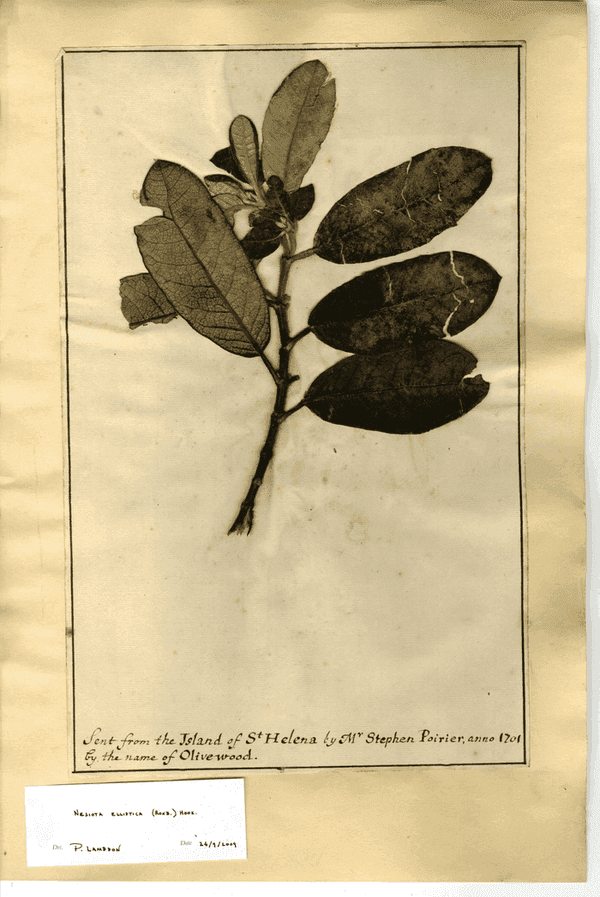
The Du Bois Herbarium was an attempt to organize and understand early modern global plant ecology. Collectors sent preserved specimens from around the world, and du Bois carefully preserved details of their collection, including where they were found, who collected them, and the various names given to each plant. Created between the years 1680 and 1740, each page features a dried plant specimen, its description, its names, and citations to published works from the time.