
Botanical Legaciesthrough OpenOnline Materials
Explore the history and practice of plant ecology, scientific classification and colonial botany.
Explore the Du Bois Herbarium
Explore Collections & Themes
How do we make sense of the natural world? Modern-day science uses a system of names and classification – taxonomy – to identify, order, and provide knowledge about nature. But today's system is only one of many attempts to organize and understand the natural world across history.
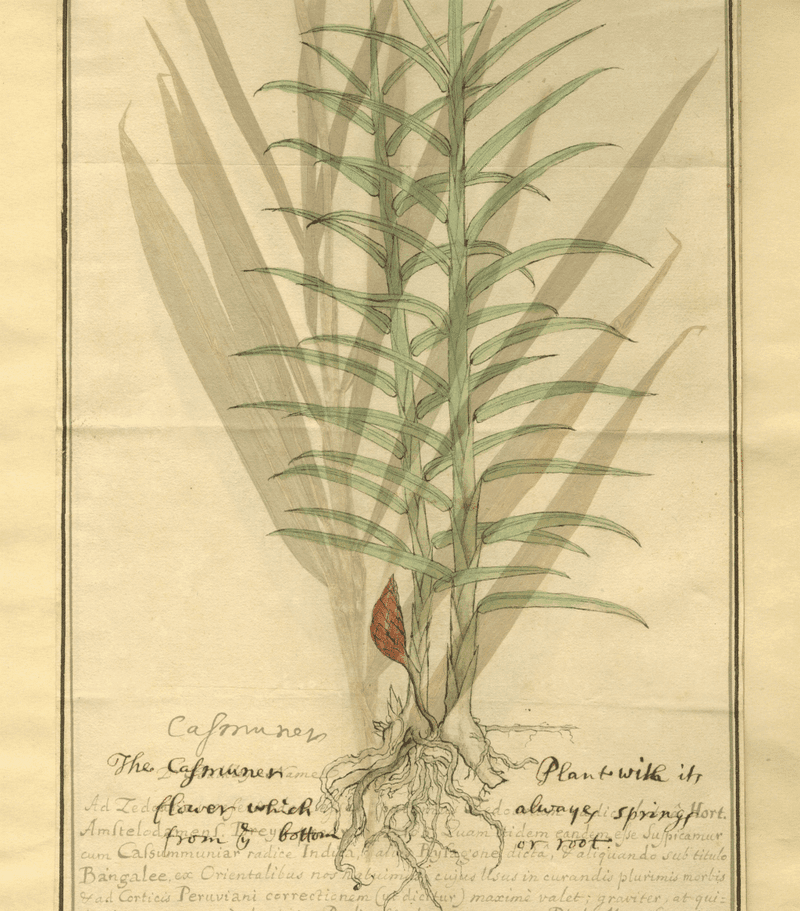
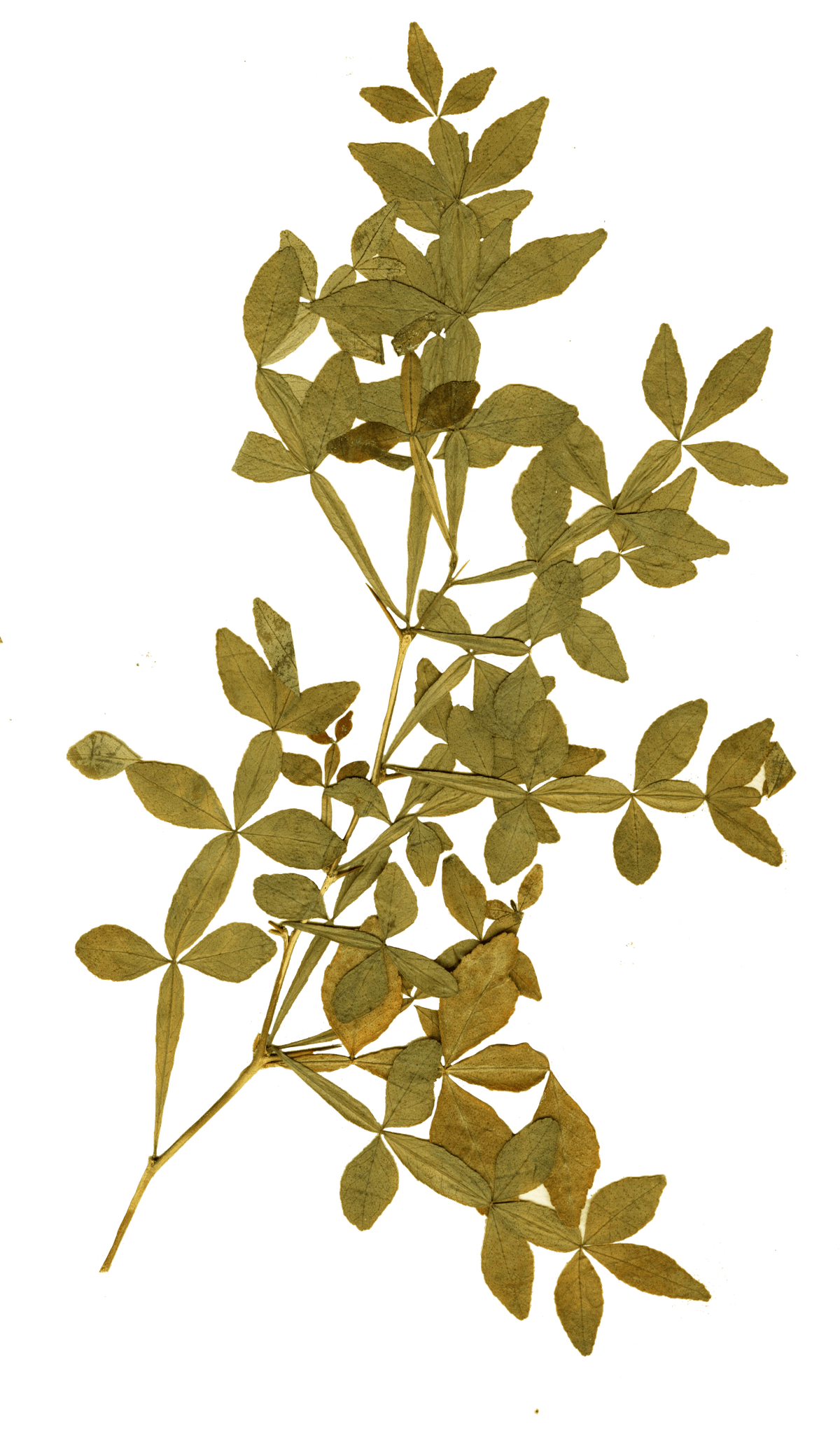
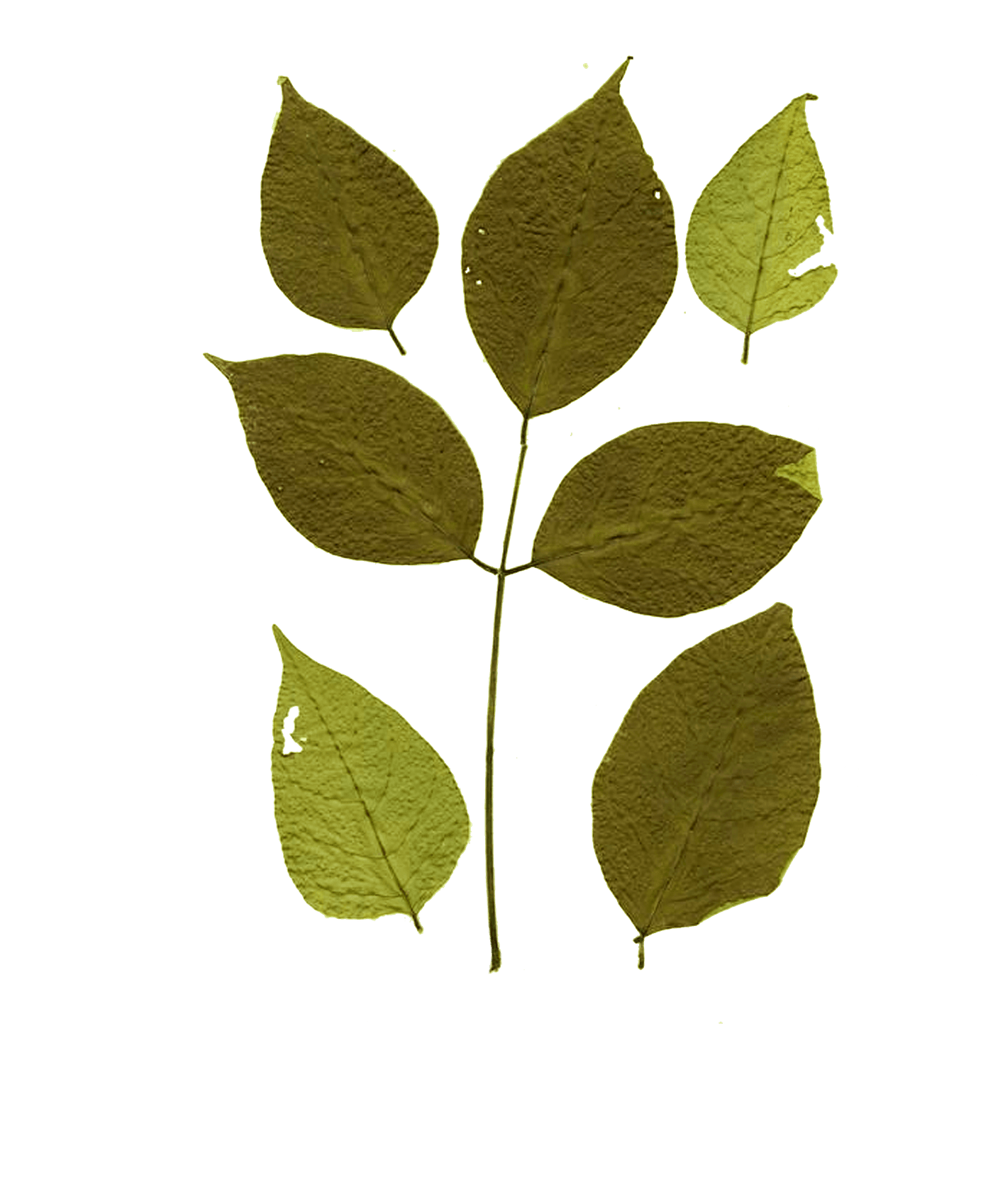
Thematic Approaches
Explore the collections through key research themes
Explore Plants by Theme
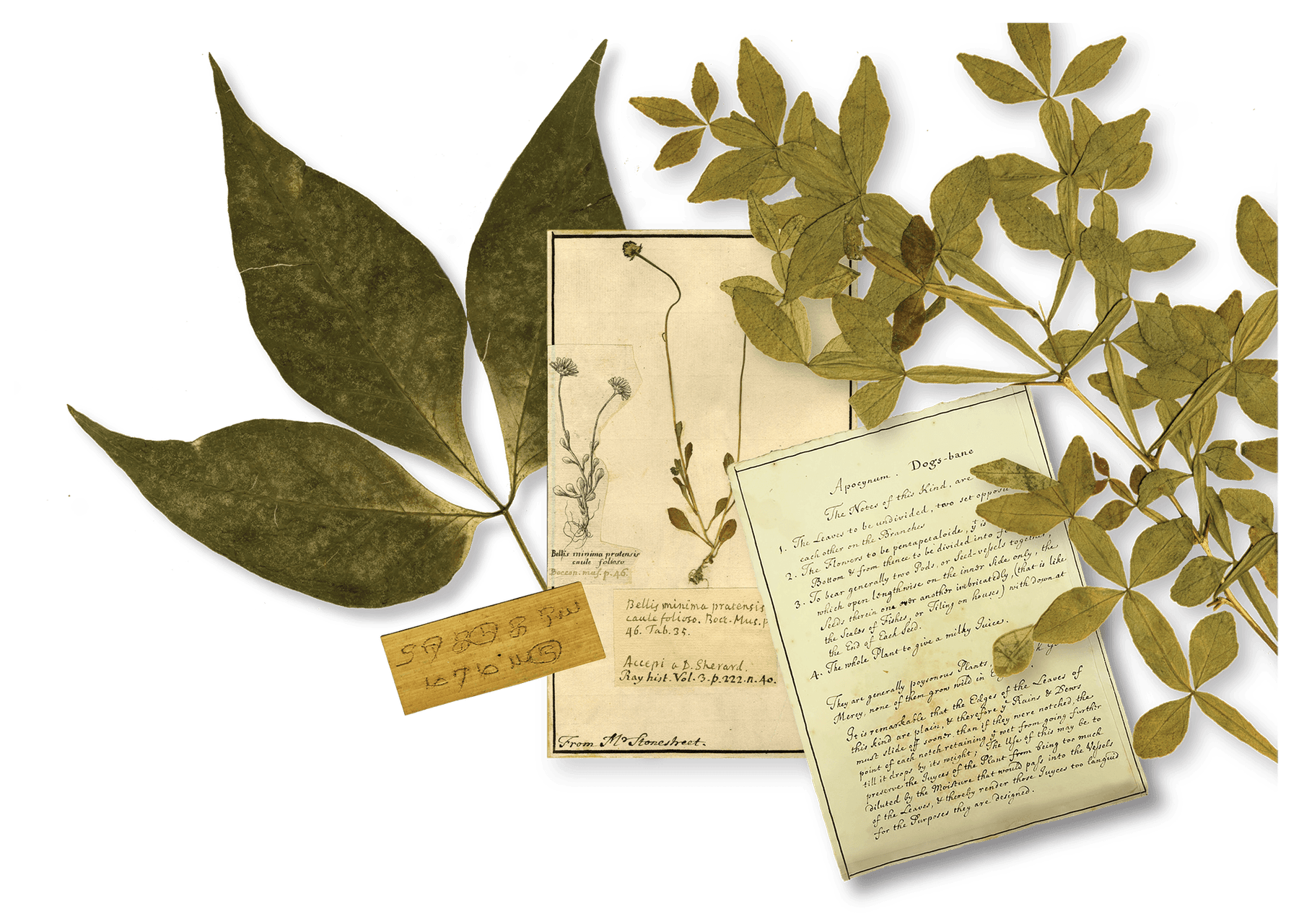
Herbaria as archives of nature, knowledge, and empire
Herbaria – collections of dried plants – have been at the forefront of scientific research and global information systems since the sixteenth century. Over the past twenty-five years, scholars have shown how herbaria are capable of informing novel research in phenology, ethnobotany, evolution, biodiversity, and climate change.However, these collections and the value of their contents remain largely unknown beyond a small subset of researchers in the natural sciences.
Herbaria are increasingly recognized as a frontline resource in cutting-edge environmental research. Applying interdisciplinary approaches to early modern collections presents an opportunity to unlock essential long-term data needed for environmental analysis, climate forecasting, and public education. In addition to recording the existence of a particular plant species at a specific time and place, herbarium specimens document the existence of people, their collecting practices, and their knowledge of the natural world across history. Herbaria are thus also primed to contribute to the substantial body of historical scholarship on the relationship between plants and colonialism. Specimens substantiate significant and early collaborations between British science and empire and showcase how this early period of colonial botany was conducted in deeper collaboration with the knowledge of people across races, genders, and geographies. Under explored by scholars in the humanities and sciences alike, historical collections represent a transformative expansion of herbarium research, extending environmental timelines and highlighting forgotten knowledge.
Drawing on thousands of dried leaves, stems, flowers, and seeds amassed inside Britain’s historic biological collections, BLOOM explores how new, interdisciplinary approaches to herbaria improves research across the sciences and the humanities. In bringing together scholars in history, biology, and digital scholarship, BLOOM strives to communicate the interdisciplinary value of herbaria to a wider audience.
BLOOM allows the digital reconstruction, re-ordering, and re-classification of historic herbarium specimens. Users can browse common and rare specimens, search the database using a variety of names and languages, integrate vernacular and scientific naming practices, and organize the collection according to different systems of classification.